Roofing Contractor in Garden Grove, CA With Honest, Upfront Pricing
Garden Grove roofs can look fine for most of the year. Eight dry months, strong sun and Santa Ana gusts wear them down without much sign. Then the first atmospheric-river storm hits in November or December, and water finds every cracked flashing, dried pipe boot and lifted shingle at the same moment. Most homes here are 1950s and '60s tracts, so many still have old shake buried under shingles or spaced board decking underneath. Garden Grove Roofing Solutions handles roof repair, replacement and new installations for these homes. We'll show you what's actually up there and what fixing it will cost before any work starts.
We're a local Garden Grove team, and we know the ranch houses in West Garden Grove, the strip-center flat roofs along Bolsa Ave in Little Saigon, and the condo complexes around the Grove District. We know the City's reroof permit and inspection steps, Title 24 cool-roof rules, and how to handle a patio cover that's been ponding water since 1978. We'll walk you through the whole project and keep it simple. We treat your home and your family with respect from the first visit to the final cleanup.
- ✓Bonded roofing contractor
- ✓Fully insured for your protection
- ✓Free, no-pressure quotes
- ✓Honest, itemized pricing, including decking and wood repair
- ✓Local Garden Grove team
- ✓Serving homes and businesses within 20 miles
Request Your Free Estimate
No obligation. Fast, honest quotes.
Thank you — your request was sent!
A member of the Garden Grove Roofing Solutions team will reach out shortly. Need help now? Call (714) 970-4441.
Why Garden Grove Homes Need a Roofer Who Knows the Area
Garden Grove has a mild climate, but roofs here still wear out in their own way. Constant sun, dry offshore winds, coastal moisture and a short, intense rainy season all work on the same 60- to 70-year-old houses. Here's what's actually happening up on the roofs across town.
Sun, Santa Anas and a Short, Heavy Rainy Season
Garden Grove gets only about 13–14 inches of rain a year, and almost all of it falls between November and March, often in two or three big atmospheric-river storms. That long dry stretch hides damage. A cracked pipe boot or rusted valley can sit for months without a single drip, then leak badly in the first downpour. Summer UV readings of 8–11 strip the granules off asphalt shingles and dry out underlayment, so south- and west-facing slopes age noticeably faster. From October through March, Santa Ana gusts of 40–60+ mph lift brittle tabs, loosen ridge caps and knock concrete tiles out of place. We're only 8–10 miles from the coast, so the May Gray marine layer also brings algae streaks to north slopes and slowly corrodes exposed metal flashing and fasteners.
A City Built Mostly Between 1953 and 1970
Garden Grove incorporated in 1956 and grew fast. Most of its homes are single-story ranch and tract houses from the '50s and '60s with low-pitch gable or hip roofs. Many were first roofed in wood shake over spaced 1x board decking, which can't hold modern shingles without new plywood or OSB sheathing. Decades of overlays have left some rafters sagging. Patio covers, carports and room additions were often done in tar-and-gravel with poor slope, and they pond water where they meet the main roof. Original galvanized flashing has often rusted through. Some homes have since switched to concrete or clay tile, which brings up structural-load and seismic questions with the Newport-Inglewood fault nearby.
Permits, Energy Code and HOA Rules
The City of Garden Grove Building & Safety Division requires a permit for reroofing. Tear-offs typically get a sheathing or underlayment inspection, and every job gets a final. California code generally allows no more than two layers. A full tear-off is required if two layers already exist, if the existing roof is wood shake, or if the deck is damaged. Title 24 cool-roof requirements can apply depending on climate zone, slope and building type, and low-slope commercial reroofs often need CRRC-rated products. SCAQMD rules limit VOCs in coatings and govern disturbing asbestos-containing materials. Rooftop solar removal needs electrical permitting and coordination with SCE. Condo and townhome HOAs often control roof color and profile, and homes near Historic Main Street may face design review.
Who We Serve
About 170,000 people live in Garden Grove. It's one of Orange County's most diverse cities, home to much of Little Saigon and to Koreatown along Garden Grove Blvd. Many homeowners bought decades ago, so they have real equity in homes now worth high six figures to around $1 million. They also tend to compare bids carefully, and many rely on referrals from family and church. Multigenerational households, investor rentals and new ADUs all add to the demand. Door-to-door storm chasers often target older and non-English-speaking owners. That's why clear written estimates, pulled permits and verifiable credentials matter so much here.
Common Roofing Problems We See in Garden Grove
Most roof calls in Garden Grove come back to the same handful of issues, and they're driven by the age of the housing, the sun and the timing of the rainy season. Here's what to watch for, how serious each one is and what usually fixes it.
Failing Low-Slope Patio Covers, Carports and Additions Serious
These are flat or nearly flat roof sections, often old tar-and-gravel, rolled roofing or patched coatings, that pond water, crack and leak. The worst failures usually happen where an add-on ties into the main sloped roof and the flashing transition was never built right.
Why it's common hereMany Garden Grove homes picked up patio covers, carports and room additions in the '60s through '80s, and plenty of them were never permitted or engineered for drainage. Low-slope roofing takes the full force of our summer sun, so built-up and rolled roofing blisters and splits. Standing water after winter storms speeds up the damage, and those tie-in points become one of the most common leak sources we find.
Signs you'll notice- Water standing on the roof 48 hours after rain
- Blistered, alligatored or cracked surface
- Exposed or missing gravel
- Leaks along the wall where the addition meets the house
- Sagging patio cover framing
- Rust stains on fascia or support posts
This shows up all over West Garden Grove and the Buena Clinton area, where ranch homes have back patio covers and enclosed carports. ADU and garage conversions add new low-slope roofs that need proper tie-ins from day one.
Our fix: Tear off the failed roofing, correct the slope with tapered material where possible, and install modified bitumen, TPO or an SCAQMD-compliant silicone coating, with properly flashed transitions.
Sun-Baked Shingles and Granule Loss Moderate
Asphalt shingles lose their protective mineral granules, and the asphalt underneath dries out, curls and cracks. Once it's exposed, it wears out fast. Over time the shingles stop shedding water and get brittle enough to snap in the wind.
Why it's common hereGarden Grove sees strong sun nearly all year, with summer UV readings of 8–11 and September–October heat waves that can go past 100°F. South- and west-facing slopes take most of it and often look years older than the north side of the same roof. Poor attic ventilation, which is common on 1950s tracts, traps heat under the deck and cooks the shingles from below too.
Signs you'll notice- Granules collecting in gutters or at downspouts
- Bald or shiny patches on shingles
- Curled, cupped or clawed shingle edges
- Cracked tabs on south and west slopes
- Very hot attic and rising SCE cooling bills
- Visible wear on one side of the roof only
This is most common on 15- to 25-year-old three-tab shingle roofs across central Garden Grove and the Euclid & Chapman area, especially single-story homes with little shade and minimal attic venting.
Our fix: Spot repairs for isolated damage. For widespread wear, a replacement with cool-rated architectural shingles plus better attic ventilation and an optional radiant barrier.
Santa Ana Wind Damage Serious
Dry offshore gusts lift and crease shingle tabs, peel off ridge caps and shift or crack concrete and clay tiles. Even if nothing blows away, broken sealant strips let later rain get under the shingles.
Why it's common hereSanta Ana events from October through March regularly push gusts of 40–60+ mph across inland Orange County. They tend to hit right before the rainy season, when shingles are at their most brittle after a summer of sun. Older roofs with corroded fasteners or lost seal strips are the most vulnerable, and the damage often goes unnoticed until it rains.
Signs you'll notice- Shingle pieces or tile shards in the yard
- Missing or lifted ridge caps
- Creased shingles visible from the street
- Slipped or cracked tiles
- Exposed nail heads or underlayment
- New leaks after a windy week
We see this most often on exposed single-story homes along wide arterials like Brookhurst St and Harbor Blvd, and on older tile roofs in West Garden Grove where tiles were never mechanically fastened.
Our fix: Re-seal or replace damaged shingles, reset and fasten loose tiles, and re-secure ridge caps. We document the damage with photos if you're filing an insurance claim.
Worn-Out Underlayment Beneath Tile Roofs Serious
Concrete and clay tiles can last 50 years or more, but the felt underlayment beneath them usually gives out after 20–30 years. The tiles still look fine, while the layer that actually keeps water out has cracked, dried out or rotted.
Why it's common hereLots of Garden Grove homes went to concrete tile in the '80s and '90s, so a large share of that underlayment is reaching the end of its life now. Heat under the tiles speeds up how fast felt dries out. Broken or slipped tiles from wind, foot traffic or old solar installs let water reach the underlayment directly.
Signs you'll notice- Leaks under a tile roof that looks intact
- Cracked or slipped tiles
- Dark, brittle felt visible at eaves
- Stains along valleys or at roof penetrations
- Tiles that rock when touched
- Roof tiles more than 20 years old
Common in West Garden Grove and in 1980s–90s infill neighborhoods and townhome complexes, where HOAs may require the same tile profile and color to be reinstalled.
Our fix: Lift and stack the existing tiles, replace the underlayment and flashings, swap out broken tiles with matching ones, and relay the roof with proper fastening.
Rusted Flashing, Algae and Clogged Valleys Minor
Original galvanized flashing rusts through at chimneys, walls and valleys. North-facing slopes pick up dark algae streaks. Tree debris packs into valleys and gutters and keeps moisture sitting against the roof.
Why it's common hereMorning marine-layer moisture and mild salt air drifting 8–10 miles inland slowly corrode exposed metal. Shaded north slopes stay damp long enough for algae to grow. Older tracts are lined with mature elms, ficus, pepper trees and palms that drop leaves and fronds all year.
Signs you'll notice- Orange rust on flashing or vent caps
- Black or green streaks on north slopes
- Leaves and debris piled in valleys
- Gutters that overflow in light rain
- Loose or gapped chimney flashing
- Moss or moisture staining at the eaves
This is common under the mature tree canopy around Historic Main Street and central Garden Grove, and on homes in the western neighborhoods that get more marine-layer moisture.
Our fix: Replace corroded flashing with new metal, clear valleys and gutters, treat algae, and set up an annual fall maintenance visit before Santa Ana and rain season.
Roofing Services for Garden Grove Homes and Businesses
We focus on what Garden Grove roofs actually need. That means fixing first-storm leaks, replacing worn-out roofs on '50s and '60s homes the right way, and keeping flat commercial roofs watertight. Every service starts with an honest look at the roof and a clear, written price.
Roof Repair
We find and fix leaks, wind damage, failed pipe boots, rusted flashing and damaged shingles or tiles. We fix the actual source rather than smearing roof cement over the symptom.
Our approachWe trace the leak from the attic and the roof surface, then replace the damaged materials with matching products. We re-flash penetrations with new metal and send photos of what we found and what we fixed.
In Garden Grove, CAIn Garden Grove, a lot of repairs come down to sun-cracked pipe boots, rusted original galvanized flashing and patio-cover tie-ins. A targeted repair can often buy a mid-life roof several more years before the next rainy season.
Best for: Homes with a roof that's still basically sound but has a specific leak, storm or wind damage, or a few worn components.
Roof Replacement ⭐ Specialty
We tear off old roofs completely, including hidden layers and buried shake, re-sheathe the deck where needed, and install a new roof system with proper underlayment, flashing and ventilation.
Our approachWe pull the City permit, schedule the sheathing and final inspections, and check Title 24 cool-roof requirements for your address. Decking replacement is priced per sheet upfront. Older materials that may contain asbestos are handled under SCAQMD rules.
In Garden Grove, CAMost Garden Grove replacements involve 1950s–60s homes with spaced board decking, multiple layers and tired fascia. We also coordinate solar panel removal and reinstallation and HOA material approvals for condos and townhomes.
Best for: Roofs over 20–25 years old, roofs with two layers or shake underneath, and homes with widespread leaks or granule loss.
Roof Installation
We install new roofs on additions, ADUs, garage conversions and new construction, along with new material systems like architectural shingle, concrete tile, TPO and modified bitumen.
Our approachWe match the roof to the slope, structure and code. That includes a structural load review when switching to tile and correct drainage on low-slope sections. Tie-ins to the existing roof are flashed carefully.
In Garden Grove, CAGarden Grove's ADU boom means lots of new low-slope and small gable roofs going onto older lots. We make sure the new roof ties cleanly into a 60-year-old main house without creating a future leak point.
Best for: ADUs, room additions, garage conversions, new builds and homeowners switching roof materials.
Roof Inspection
We do a thorough roof and attic evaluation covering shingles or tiles, flashing, valleys, penetrations, ventilation, decking condition and low-slope sections, and we deliver a written report with photos.
Our approachWe check the roof surface and attic, look for layering and decking type, measure ventilation, and rank findings by urgency so you know what needs work now and what can wait.
In Garden Grove, CAA fall inspection, before the Santa Anas and the first storms, is the best move a Garden Grove homeowner can make. It's also useful when you're buying a home, before adding solar, or after a wind event.
Best for: Pre-rainy-season checkups, real estate transactions, insurance documentation, planning for solar, and roofs of unknown age.
Roof Maintenance
We do scheduled care to stretch your roof's life: clearing debris, sealing and replacing worn boots, resetting loose tiles, touching up flashing and treating algae before small problems grow.
Our approachAn annual or semi-annual visit, ideally in early fall, with photo documentation. We clear valleys and gutters, fix minor issues on the spot, and give you a written summary of the roof's condition.
In Garden Grove, CAGarden Grove's mature trees, marine-layer moisture and long dry spells make maintenance especially worthwhile here. Clearing ficus and jacaranda debris before November prevents a lot of first-storm leaks.
Best for: Homeowners who want to avoid emergency calls, landlords with rental properties, and owners of tile roofs approaching underlayment age.
Commercial Roofing ⭐ Specialty
We repair, recoat and replace flat and low-slope commercial roofs, including built-up, modified bitumen, TPO and silicone or elastomeric coatings, on retail centers, offices and multifamily buildings.
Our approachWe do a core-sample and moisture evaluation and specify CRRC-rated cool roof products where Title 24 requires them. Coatings are SCAQMD-compliant, and we schedule work around business hours and tenants.
In Garden Grove, CAGarden Grove's strip centers and plazas along Bolsa Ave, Brookhurst St, Garden Grove Blvd and Harbor Blvd have large flat roofs that take the full force of the sun. We coordinate with property managers and HOA boards to keep businesses running.
Best for: Retail plazas, restaurants, offices, apartment buildings, condo HOAs and Grove District hospitality properties.
Emergency Roofing
When a storm, wind or fallen limb opens your roof, we respond fast with tarping, temporary sealing and protection for the interior, then follow up with a permanent repair.
Our approachWe secure the leak, document the damage with photos for insurance, and check the attic for wet insulation and decking. Then we give you a written estimate for the permanent fix.
In Garden Grove, CAEmergency calls in Garden Grove spike within a day or two of the first atmospheric-river storm and after big Santa Ana events. Getting on our list early, or getting inspected in the fall, helps you skip the rush.
Best for: Active leaks, storm or wind damage, fallen tree limbs and any situation where water is coming into the home or business.
How Your Roofing Project Works
We keep the process simple and transparent. You'll know what we found, what it costs and what happens next at every step, with no surprises halfway through the job.
Free Inspection and Consultation
- We inspect the roof surface, flashing, valleys and low-slope sections
- We check the attic for leaks, ventilation and decking type
- We take photos of everything we find
- We talk through your goals, budget and timing
Local note: On older Garden Grove homes, we specifically look for hidden layers, buried shake and spaced board decking so your estimate reflects reality.
Written, Itemized Estimate
- Clear line items for materials, labor, permits and disposal
- Upfront per-sheet or per-linear-foot pricing for any wood replacement
- Material options, including cool-rated products where they make sense
- No pressure; take your time and compare bids
Local note: California limits home improvement down payments to 10% or $1,000, whichever is less, and gives you a 3-day right to cancel (longer for seniors 65+).
Permits, Approvals and Scheduling
- We pull the City of Garden Grove reroof permit
- We coordinate HOA approvals for color, material or profile
- We arrange solar panel removal and electrical permitting if needed
- We order materials and set your installation date
Local note: We plan replacements for the dry season whenever possible and keep an eye on the forecast during winter.
Installation and Inspections
- We protect landscaping, driveways and walls before tear-off
- We tear off and re-sheathe the deck, then pass the City sheathing or underlayment inspection
- We install underlayment, flashing, ventilation and roofing
- We tie in low-slope sections and patio covers properly
Local note: Possible asbestos-containing materials on older homes are handled under SCAQMD Rule 1403 before work continues.
Cleanup, Final Inspection and Walkthrough
- Magnetic sweep for nails and full debris removal
- City final inspection to close the permit
- Walkthrough with photos of the completed roof
- Written warranty documentation and care tips
Local note: We'll suggest a fall maintenance check before your first Santa Ana season on the new roof.
Why Garden Grove Homeowners Choose Us
We Know Garden Grove Roofs, Because That's All We Do
Garden Grove Roofing Solutions is a local team, not a regional outfit that drives in from across the county. We know what's typically under the shingles on a 1958 tract home near Haster St, how patio covers in West Garden Grove tend to fail, and what the City's Building & Safety inspectors expect at the sheathing inspection. That knowledge shows up in estimates that are accurate the first time and in repairs aimed at the real cause of a leak. Our recommendations fit how roofs here actually age under Orange County sun and wind.
Bonded and Insured, So You're Protected
Roofing is risky work, and you shouldn't carry that risk. We're bonded and insured, which protects you and your property if something goes wrong on the job. We encourage every Garden Grove homeowner to check any roofer's CSLB license status at cslb.ca.gov before signing, ours included, and to ask for proof of insurance. Door-to-door storm chasers and unlicensed operators target this area, especially older and non-English-speaking homeowners. Checking takes five minutes and can save you thousands.
Honest Pricing With No Surprise Change Orders
The biggest complaint we hear about other roofers is the bid that doubles once the old roof comes off. Garden Grove homes often hide old shake, extra layers and spaced board decking, so we look for those during the inspection and price them upfront. Wood replacement is listed per sheet or per linear foot in writing. You'll know the realistic range before you sign. If we find something unexpected, we show you photos and talk it through before doing anything extra.
Permits Pulled, Code Followed
Every reroof we do goes through the City of Garden Grove's permit and inspection process. We follow California's two-layer limit and tear-off rules, check Title 24 cool-roof requirements for your property, use SCAQMD-compliant coatings, and handle suspected asbestos materials properly. Permitted work protects your home's resale value and your insurance coverage, and it gives you independent confirmation that the job was done right. Skipping permits might save a contractor time, but it leaves you holding the risk.
Residential, Commercial and HOA Experience
Our work goes beyond single-family homes. We handle flat-roof plazas along Bolsa Ave and Brookhurst St, apartment buildings, condo complexes and ADUs on residential lots. We coordinate with HOA boards on approved colors and profiles, work around tenants and business hours, and give property managers clear documentation. Whether it's a 1,400-square-foot ranch house or a 12,000-square-foot retail roof, you get the same straightforward communication and the same attention to detail.
Fast Help When Storms Hit
When the first atmospheric river of the season rolls in, every roofer's phone starts ringing at once. We offer emergency roofing service to stop active leaks with tarping and temporary sealing, protect your interior, and document damage for your insurance claim. Then we follow up with a permanent repair, not a patch that fails in the next storm. The best way to avoid the rush entirely is to book a fall inspection before the Santa Anas and rains arrive.
We Treat Your Home and Family With Care
Many of our customers are long-time Garden Grove homeowners, retirees and multigenerational households. We explain everything in plain language, welcome family members to join the consultation or review the estimate, and never pressure anyone into signing. On the job, we protect landscaping and walkways, keep the site tidy every day, and run a magnetic sweep for nails before we leave. From the first visit to the final cleanup, the goal is a simple, respectful experience.
A Local Garden Grove Roofer You Can Verify
Garden Grove homeowners rely on referrals from family, neighbors and their community, and we earn ours by doing what we say we'll do. That means honest pricing, careful work and a clean job site. Ask your neighbors, check our reviews, and compare our written estimate side by side with anyone else's.
Bonded • Insured
Roofing Service Areas in and Around Garden Grove
We're based in Garden Grove and work across every part of the city, from the ranch-home tracts in the west to the resort corridor on Harbor Blvd. We also serve nearby communities within our 20-mile radius, so neighbors just over the city line are covered too.
West Garden Grove and Little Saigon
Central and Downtown Garden Grove
East Garden Grove and the Grove District
We serve all of Garden Grove and surrounding communities within about 20 miles. If you're unsure whether you're in range, just call and ask. Not sure if we cover your area? Call (714) 970-4441.
How Much Does a Roof Cost in Garden Grove?
Roofing prices in Garden Grove depend more on what's hiding under your current roof than on the shingles you pick. Here are the factors that really drive cost, plus realistic local ranges so you can plan with confidence.
Roof Size, Pitch and Complexity Primary Factor
Roofing is priced by the square (100 sq ft). A typical single-story Garden Grove ranch home has about 16–22 squares of roof. Low-pitch roofs are easier to walk, but hips, valleys, multiple roof planes and attached patio sections add labor and flashing. Steeper or cut-up roofs, along with second stories on newer infill, need more safety setup and time. The roof's footprint is usually larger than the home's living area because of overhangs, garages and covered patios.
Decking and Hidden Layers Primary Factor
This is the biggest wild card on Garden Grove's 1950s–60s homes. If your roof has buried shake, two existing layers or spaced 1x board decking, it needs a full tear-off and new plywood or OSB sheathing. That can add several thousand dollars. Rotted fascia and rafter tails add more. We look for all of this during the inspection and list wood replacement per sheet or per linear foot, so the number you sign is the number you pay.
Material Choice Major Factor
Architectural asphalt shingles are the most common and most affordable choice here, and cool-rated versions help with SCE bills. Concrete tile costs more and may need a structural review if you're switching from shingle. Tile underlayment replacement reuses your existing tiles. For low-slope sections, modified bitumen, TPO and silicone coatings each have different price points and lifespans. Title 24 may require cool-rated products depending on your roof and climate zone.
Low-Slope Add-Ons and Tie-Ins Moderate Factor
Patio covers, carports and room additions often need their own roofing system and slope correction, plus careful flashing where they meet the main roof. Fixing ponding with tapered insulation or rebuilding a poorly sloped section adds cost. But these areas cause a large share of Garden Grove leaks, so addressing them during a reroof usually saves money over patching them separately later.
Solar, Permits and Special Handling Variable Factor
If you have rooftop solar, plan for panel removal and reinstallation, typically a few thousand dollars depending on system size, plus electrical permitting. City permit fees, HOA requirements, dump fees for heavy tear-offs and SCAQMD-compliant handling of suspected asbestos materials can also affect the total. We itemize each of these so you can see exactly where your money goes.
| Typical project | Details | Estimated range |
|---|---|---|
| Leak repair after the first winter storm | Single-story 1960s home; replace cracked pipe boots, re-flash one valley, repair surrounding shingles | $450 – $1,800 |
| Patio cover / low-slope reroof | About 300–500 sq ft attached patio or carport; tear off tar-and-gravel, correct slope where possible, new modified bitumen or TPO with a flashed tie-in | $3,000 – $8,500 |
| Full asphalt shingle replacement | 1,500 sq ft ranch home (~18–22 squares); tear-off of two layers over shake, new plywood sheathing, architectural cool-rated shingles, new flashing and vents | $16,000 – $28,000 |
| Tile roof underlayment replacement | About 2,000 sq ft concrete tile roof; lift and stack tiles, new underlayment and flashings, replace broken tiles, relay and fasten | $17,000 – $32,000 |
Under California law, the down payment on a home improvement contract can't exceed 10% of the price or $1,000, whichever is less. We'll walk you through the payment schedule in writing before any work begins. With Garden Grove homes often valued near $1 million, a properly permitted roof protects your biggest asset, helps at resale and inspection, and can lower cooling costs. Planning ahead also costs a lot less than emergency work in December.
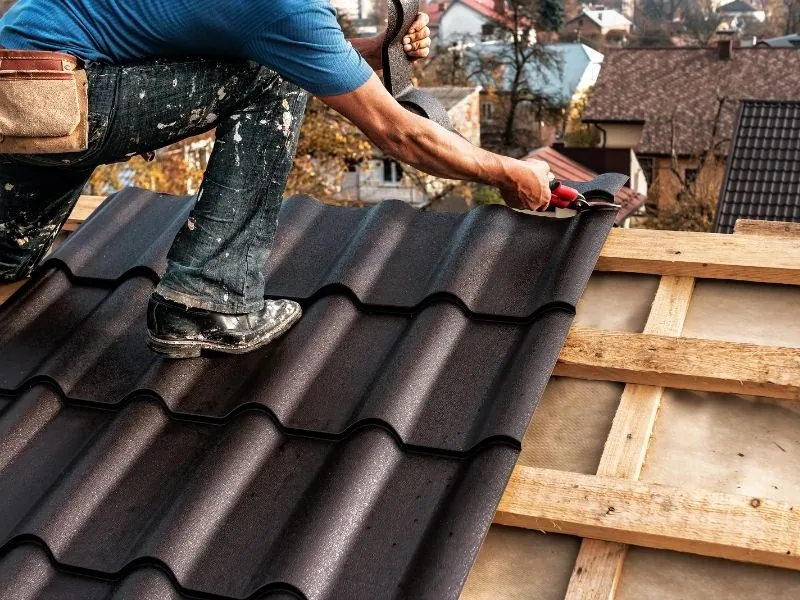
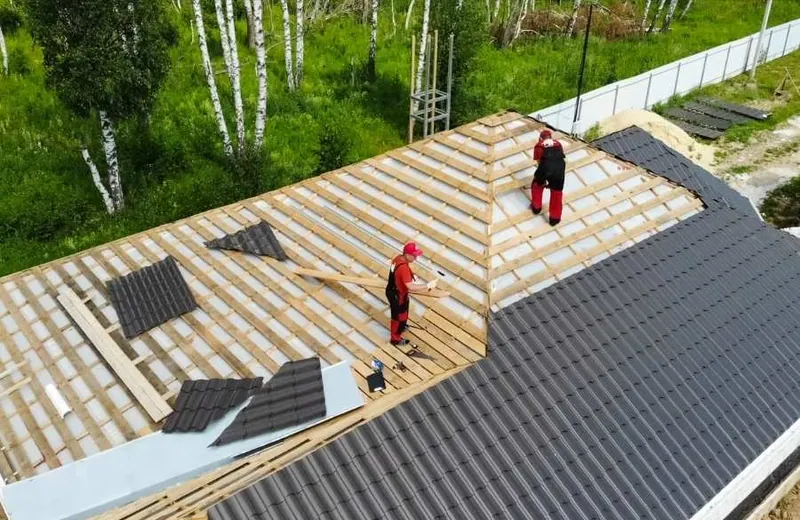
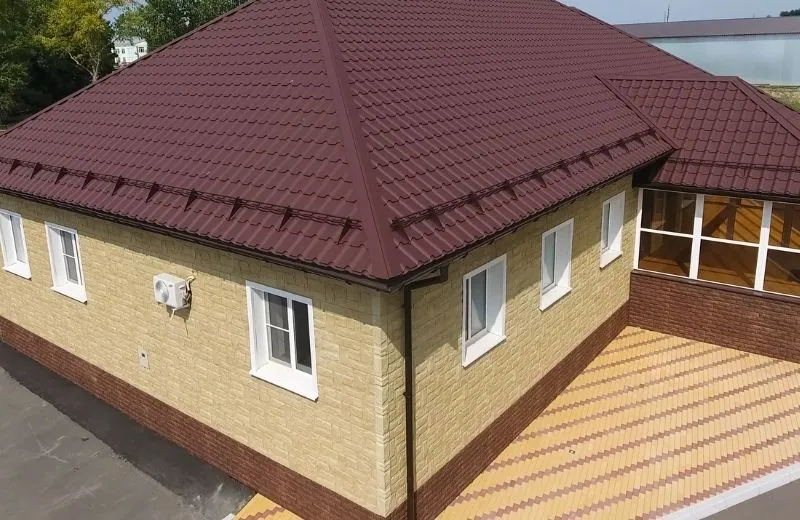
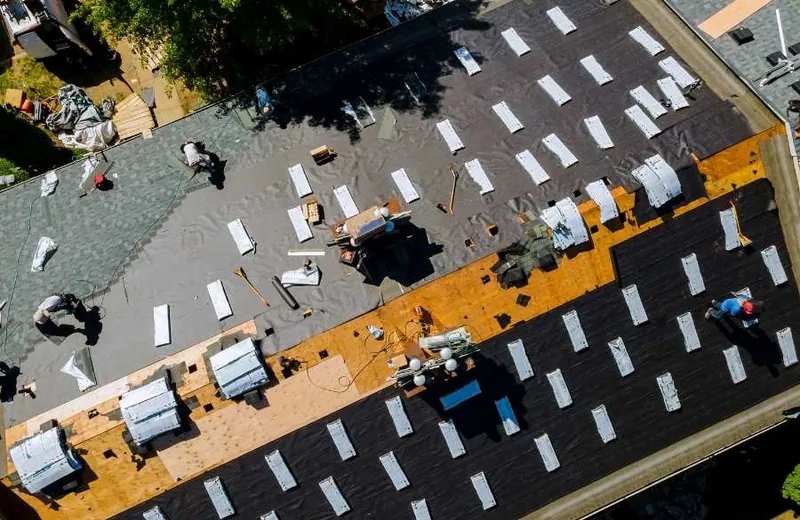
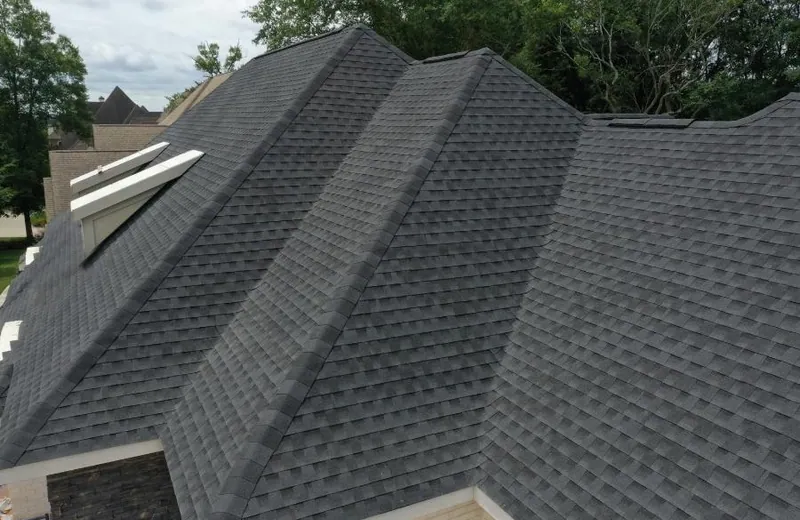
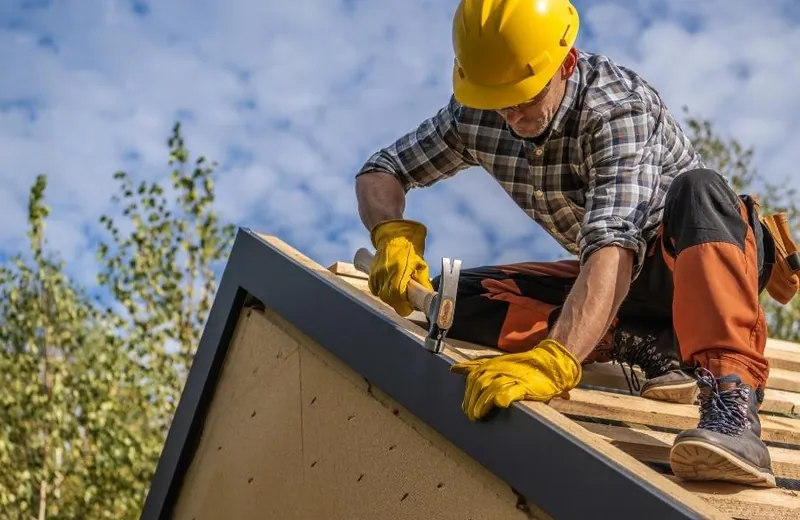
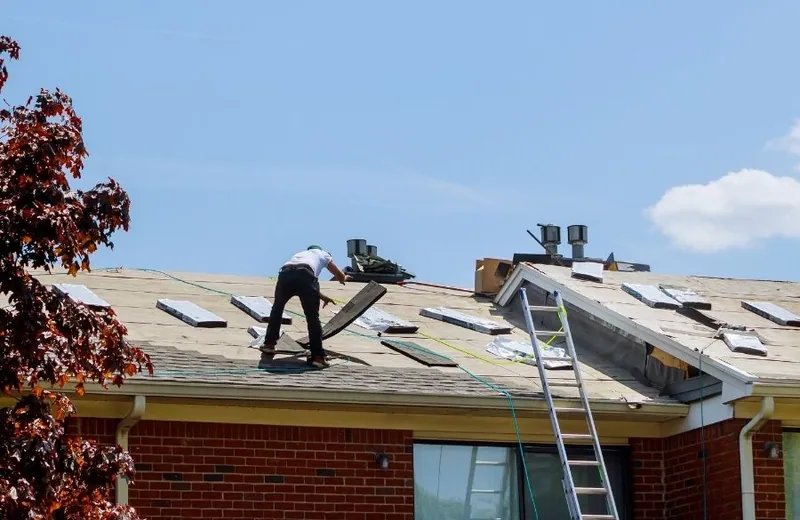
Recent roofing Projects in Garden Grove, CA

Garden Grove Roofing FAQs
How much does a new roof cost in Garden Grove?
For a typical single-story Garden Grove ranch home, a full asphalt shingle replacement usually runs about $16,000 to $28,000. The biggest swing factor is what's under your current roof. Homes built in the 1950s and '60s often have buried wood shake or two layers of shingles over spaced board decking, which means a full tear-off and new plywood sheathing. Tile underlayment replacement often runs $17,000 to $32,000, and smaller leak repairs start in the hundreds. We'll give you a free, itemized estimate with any wood replacement priced per sheet, so you won't get a surprise change order.
Do I need a permit to replace my roof in Garden Grove?
Yes. The City of Garden Grove Building & Safety Division requires a building permit for reroofing. Tear-offs typically get a sheathing or underlayment inspection plus a final inspection. California code generally allows no more than two roof layers, and a full tear-off is required if two layers already exist, if the existing roof is wood shake, or if the deck is damaged. Title 24 cool-roof requirements may apply too. We pull the permit and schedule the inspections. If a roofer suggests skipping the permit, treat that as a red flag.
How long does a roof replacement take?
Most single-family shingle replacements in Garden Grove take 2 to 5 working days once materials are on site. Larger homes, tile underlayment jobs, and roofs that need extensive re-sheathing or fascia repair can take longer, and commercial flat roofs vary with size. Before work starts, allow about 1 to 3 weeks for permitting, any HOA approval, solar panel removal scheduling and material ordering. We try to schedule replacements during the dry season, and during winter we watch the forecast closely and keep the roof protected at the end of every workday.
When is the best time to get my roof inspected?
Early fall, ideally September or October, is the best time in Garden Grove. That's before the Santa Ana winds pick up and before the first atmospheric-river storm arrives. After eight dry months, small problems like cracked pipe boots, debris-packed valleys or lifted shingles are invisible from inside the house. A fall inspection catches them while repairs are quick and cheap, and you'll avoid the emergency rush that hits every roofer within a day or two of the season's first heavy rain. It's also smart to get an inspection after any major wind event.
How do I know if I need a repair or a full replacement?
If your roof is under about 15–20 years old and the problem is limited to a specific spot, like a failed pipe boot, a rusted flashing or a few wind-damaged shingles, a repair usually makes sense. Replacement is the better value when you see widespread granule loss, curling or brittle shingles, multiple leaks, sagging, or when the roof already has two layers. Many Garden Grove homes have original-era roofs underneath newer shingles, which changes the math. We'll give you an honest recommendation with photos, and if a repair will do, we'll tell you.
How can I prevent roof leaks during the rainy season?
Most leaks we see here are preventable. Clear gutters and valleys in the fall, especially under ficus, elm, jacaranda or palm trees. Have pipe boots and flashing checked, because sun breaks down rubber seals faster than people expect. Look for shingle pieces or tile shards in the yard after Santa Ana winds. Make sure patio covers and carports drain and don't pond water. Improve attic ventilation to slow heat damage to shingles. An annual fall maintenance visit covers all of this and is far cheaper than an emergency tarp in December.
What should I do if my roof is leaking right now?
Act right away. Water damages drywall, insulation and decking quickly, and wet attics can grow mold within days. Move belongings away from the leak, put down buckets, and if a ceiling is bulging with water, poke a small hole to drain it into a bucket in a controlled way. Don't climb on a wet roof yourself. Call us for emergency roofing service. We'll tarp or temporarily seal the roof, document the damage with photos for insurance, check the attic, and give you a written estimate for a permanent repair.
I have solar panels. Can you still replace my roof?
Yes. Many Garden Grove homeowners put solar on roofs that were already aging, so this is common. The panels have to be removed and reinstalled during the reroof. That requires electrical permitting and coordination with Southern California Edison's interconnection rules, and it usually adds a few thousand dollars depending on system size. We coordinate the schedule so the panels go back on a fresh roof with properly flashed mounts, which are a frequent leak source on rushed installs. If your roof is nearing the end of its life, it's worth replacing it before adding solar.
Serving Garden Grove, CA & Nearby
Get Your Free Garden Grove Roof Quote Today
Don't wait for the first big storm to find out what's wrong with your roof. Let's take a look now, while repairs are simple and you can plan ahead.
- ✓Free, no-pressure roof inspection with photos
- ✓Written, itemized estimate with wood replacement priced upfront
- ✓Bonded and insured contractor protecting your property
- ✓City permits pulled and inspections scheduled for you
- ✓Clear, plain-language explanations, and family members are welcome to join
- ✓Careful job-site protection and full cleanup with a magnetic nail sweep
- ✓Emergency roofing help when storms or Santa Ana winds hit
⚡ Water coming in right now? Call us for emergency tarping and leak protection. We'll secure your roof and document the damage for your insurance.
Bonded • Insured